Tale of
Yue Fei
The Complete Tale of Yue Fei
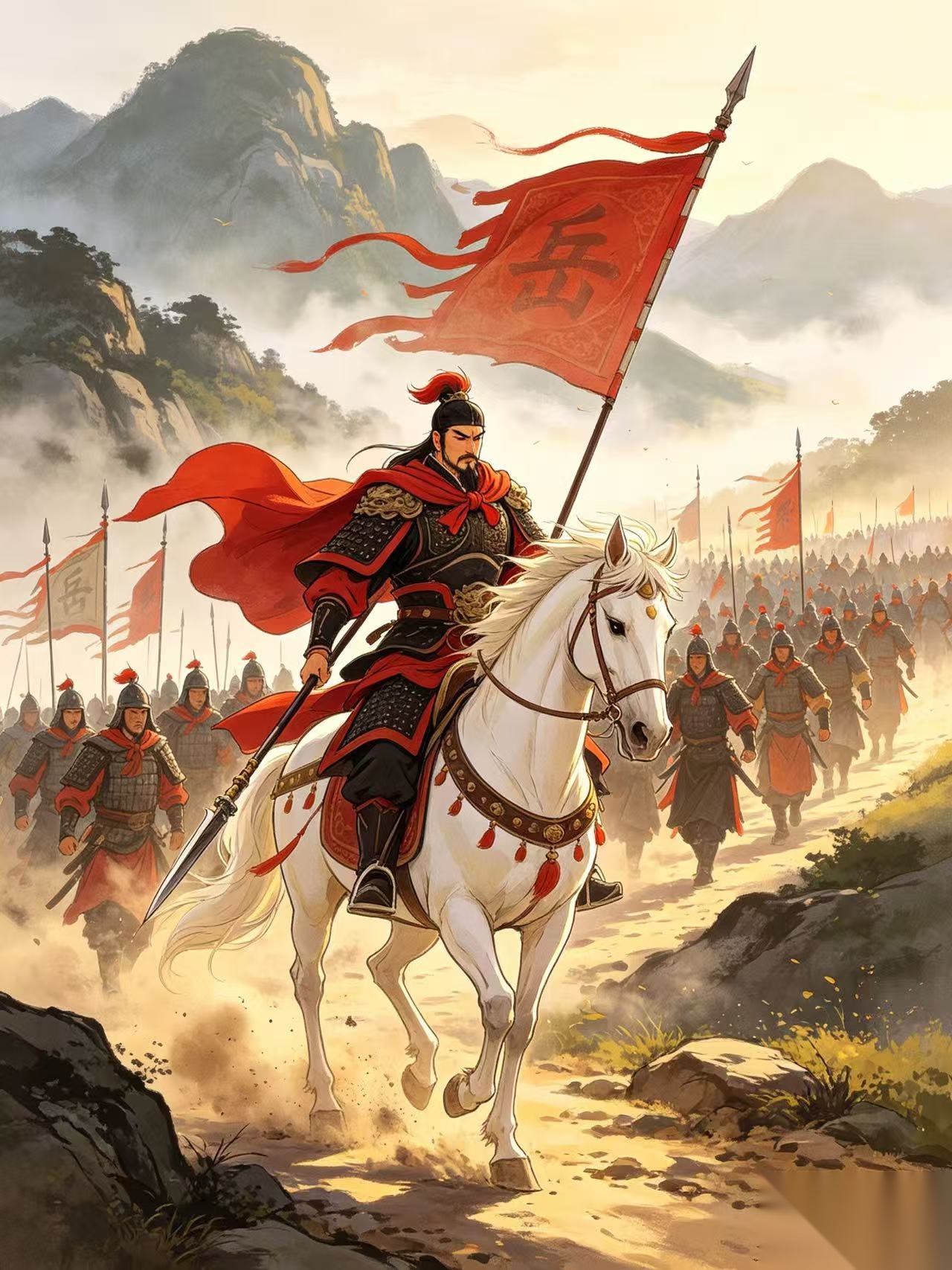
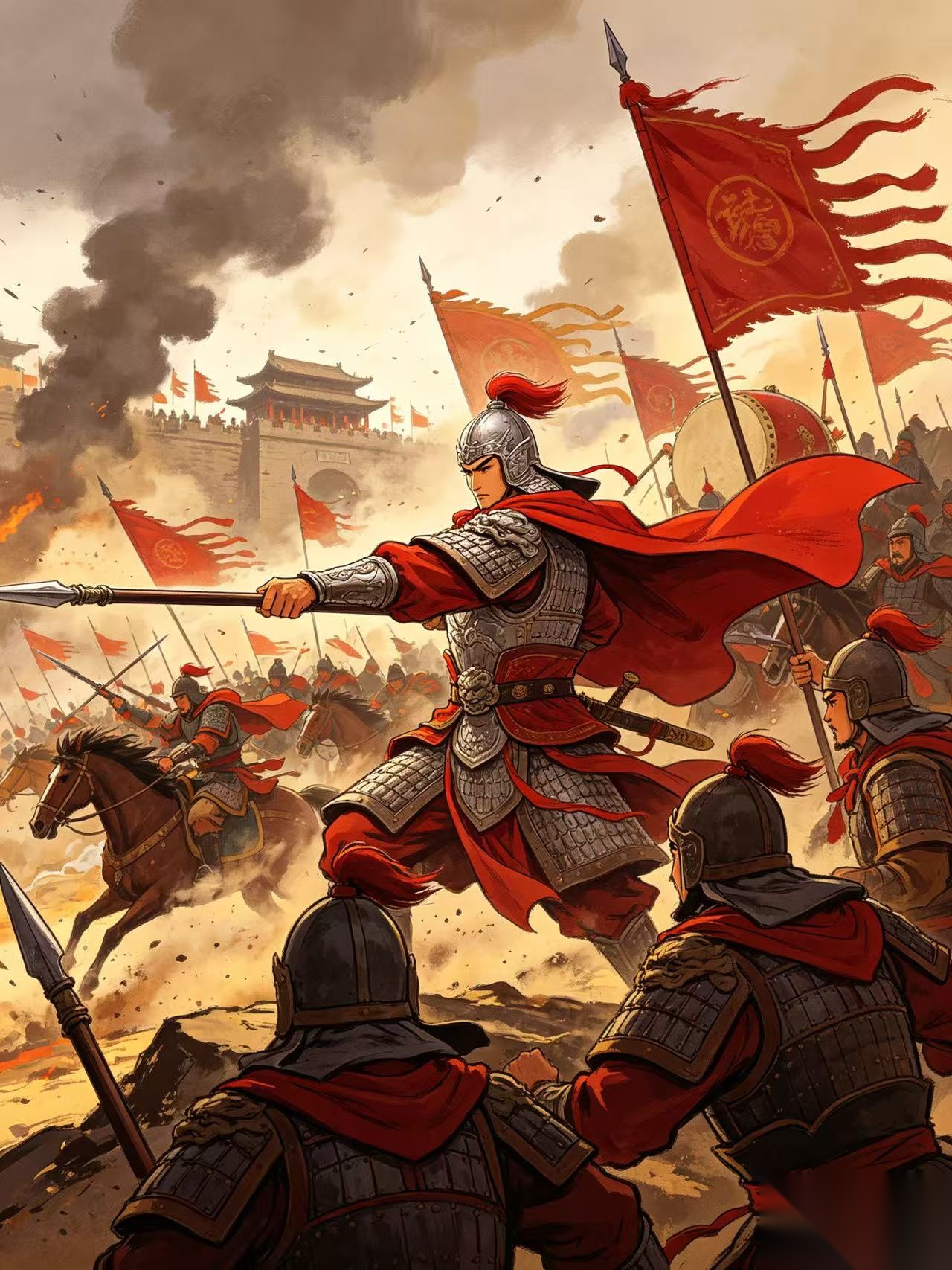
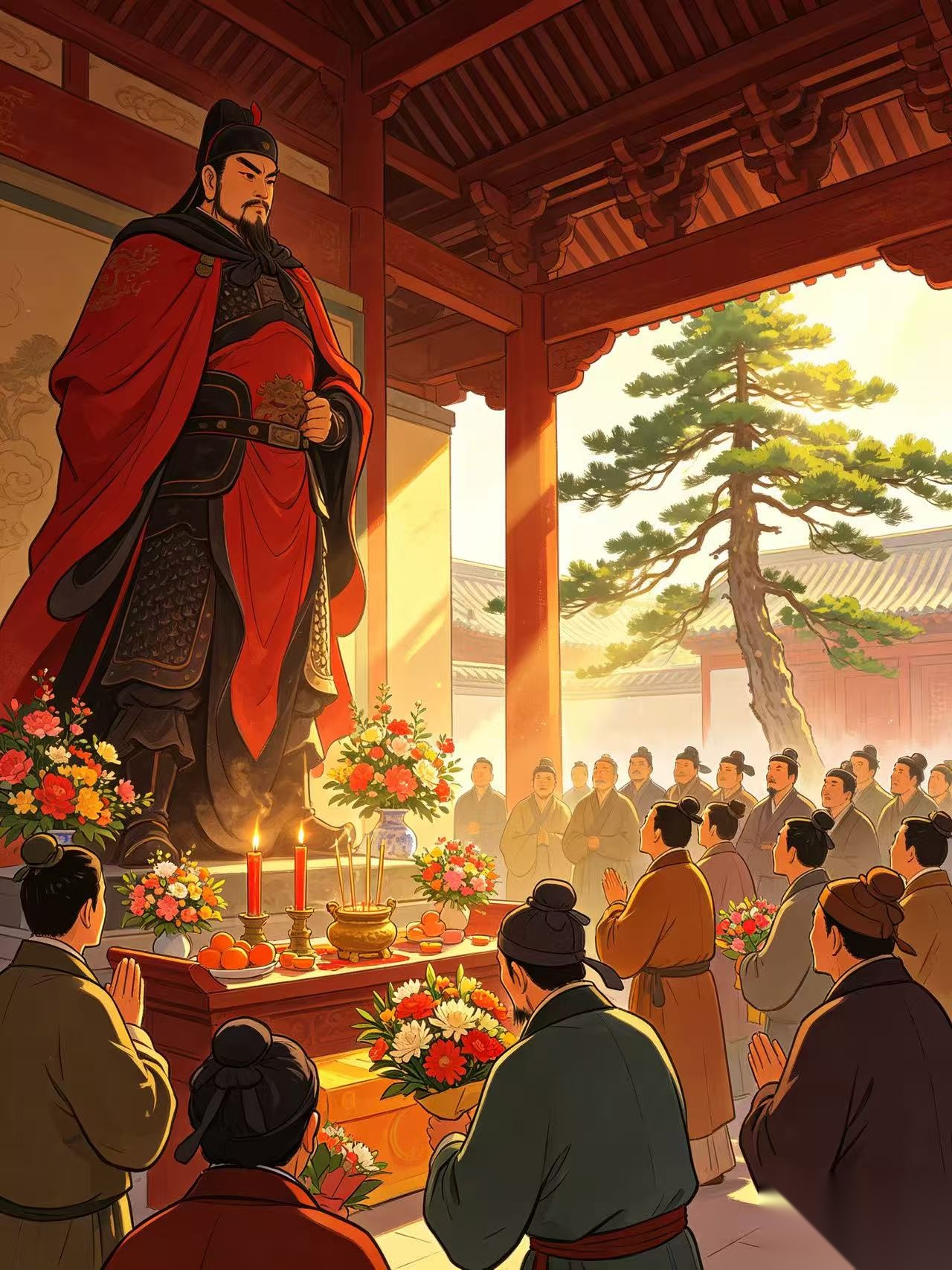
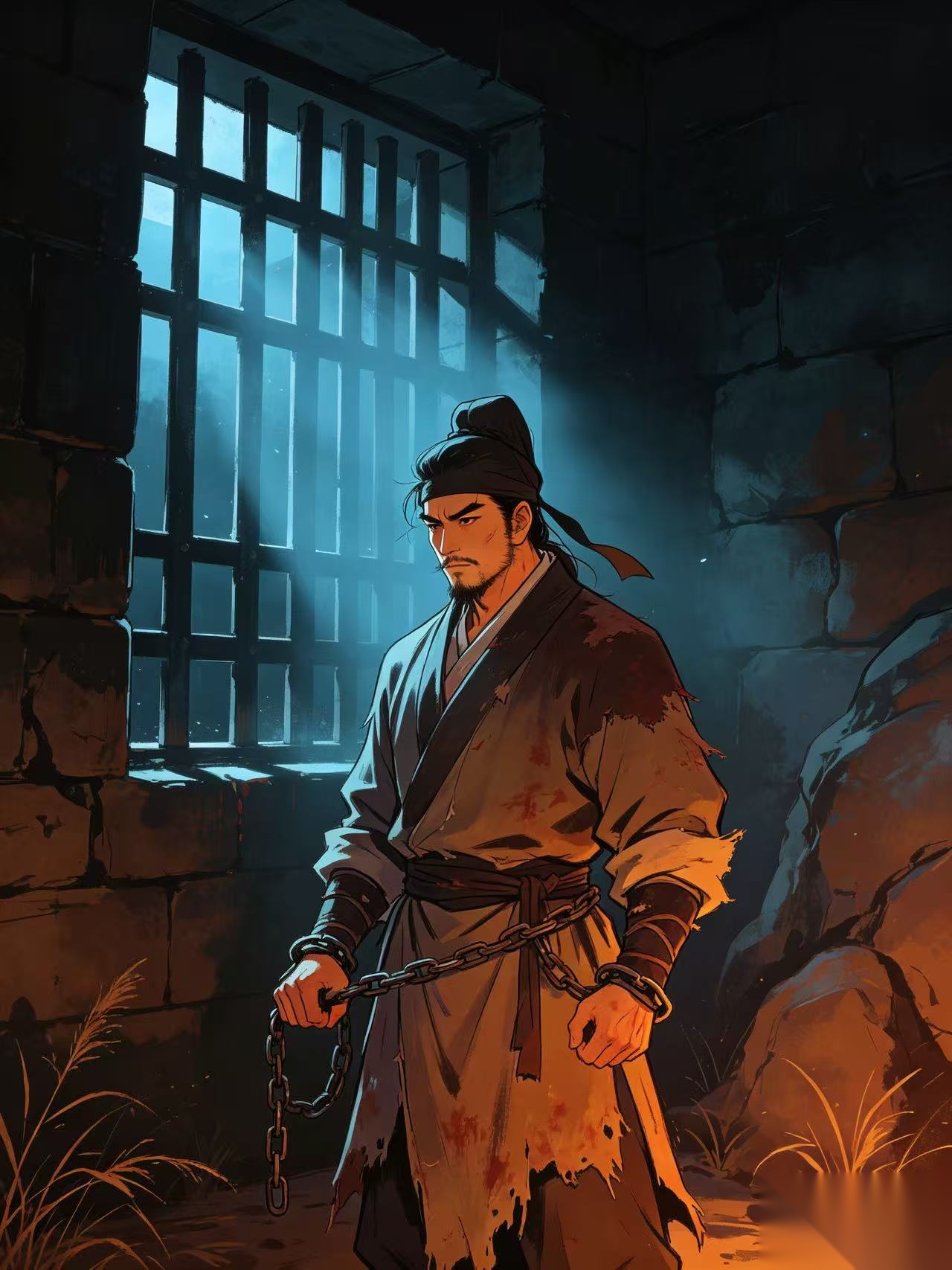
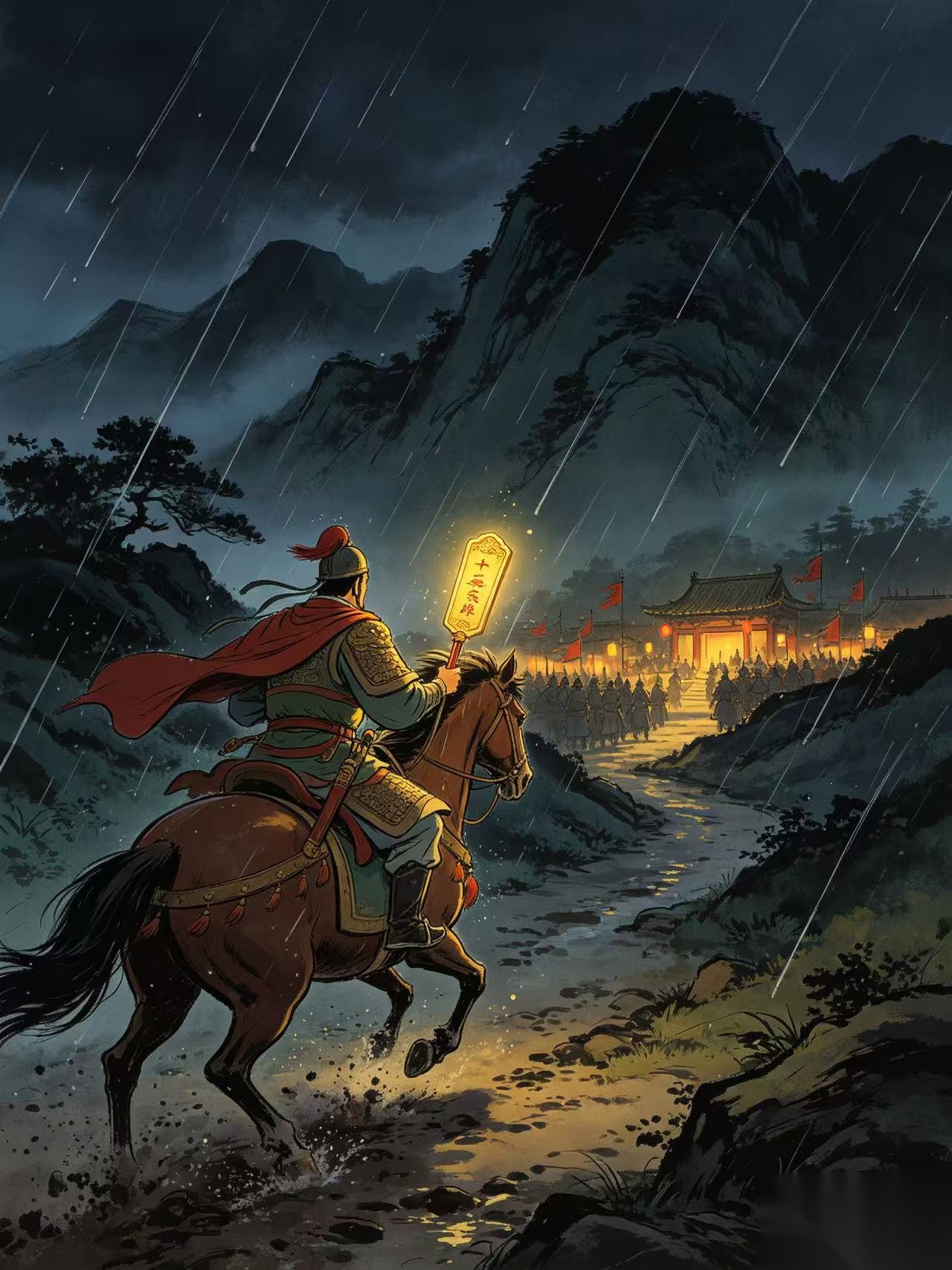
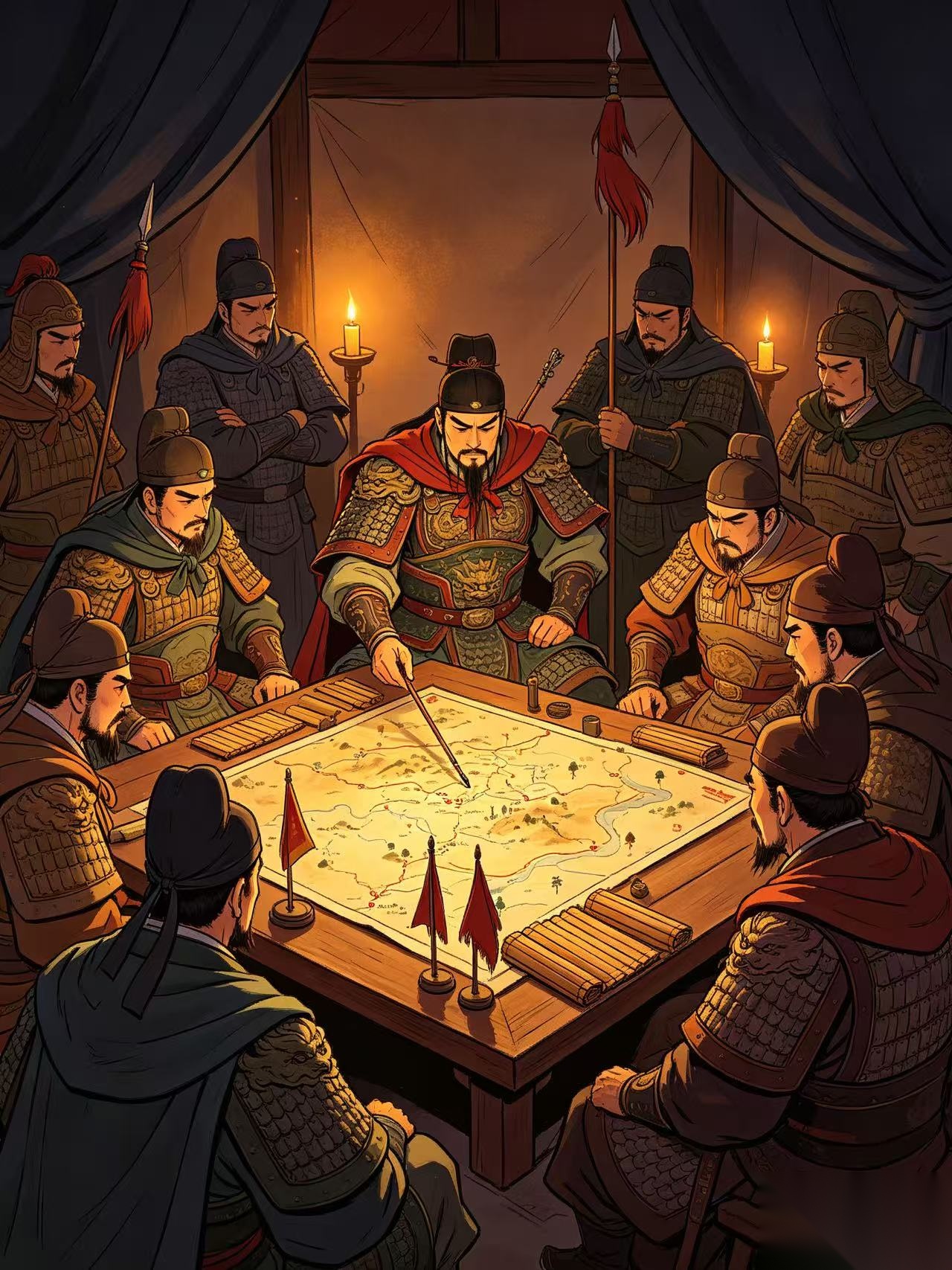
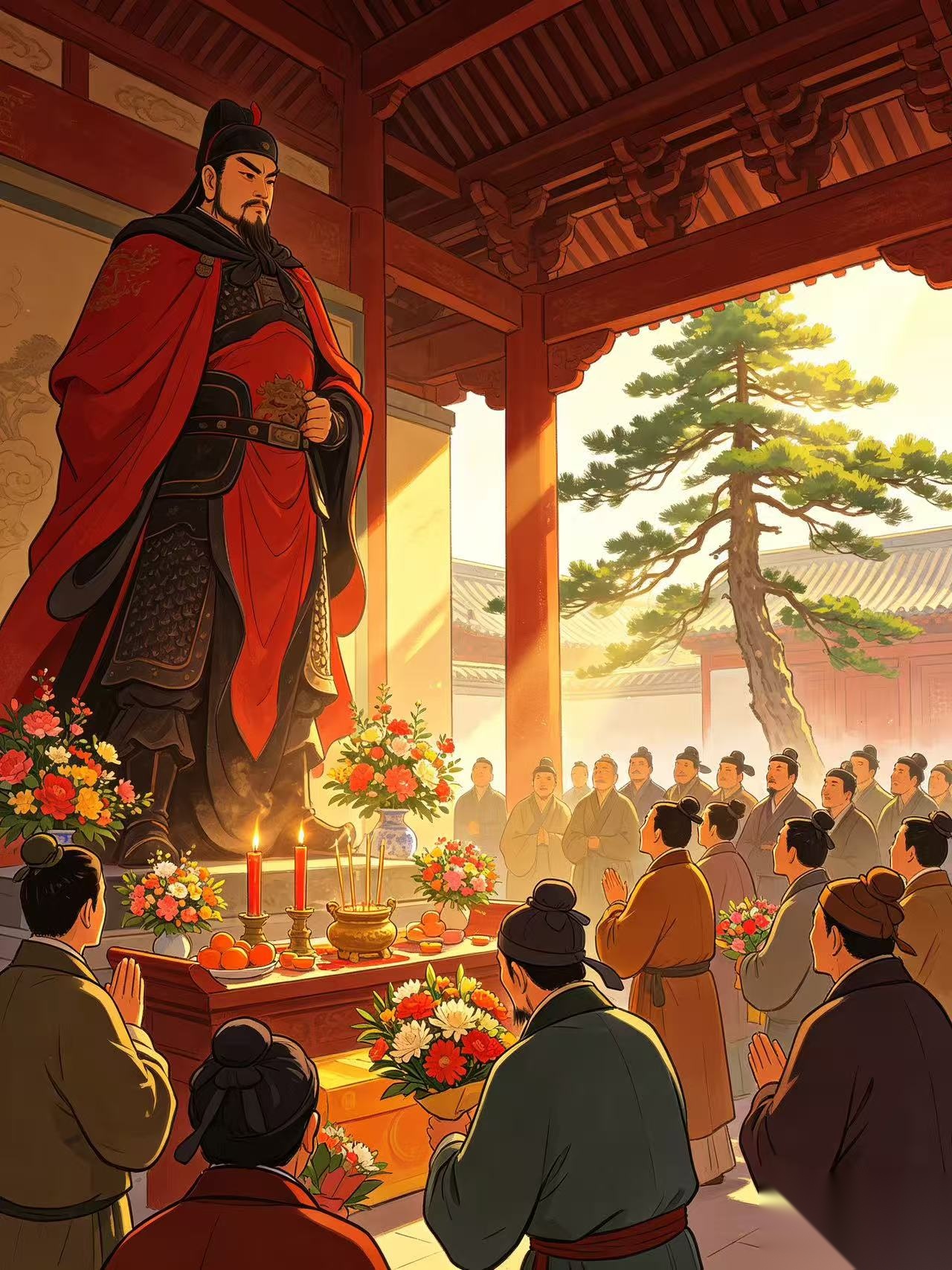
The theme of this epic carries forward the centuries-old ideal of loyalty to the sovereign and love of country that has endured since the Song dynasty. It warmly eulogizes Yue Fei and his loyal household army — their devotion to resisting invaders and defending their homeland — and ruthlessly condemns the shameless treachery of Qin Hui and other corrupt ministers who surrendered, sold out their nation, and hounded the loyal to death. For the sake of a single word — loyalty — Yue Fei would set aside victory or defeat, cast aside his own life and family, and meet death with unwavering resolve. Yet from today's perspective, such steadfast loyalty also carries a great deal of "foolish loyalty" — a pity.
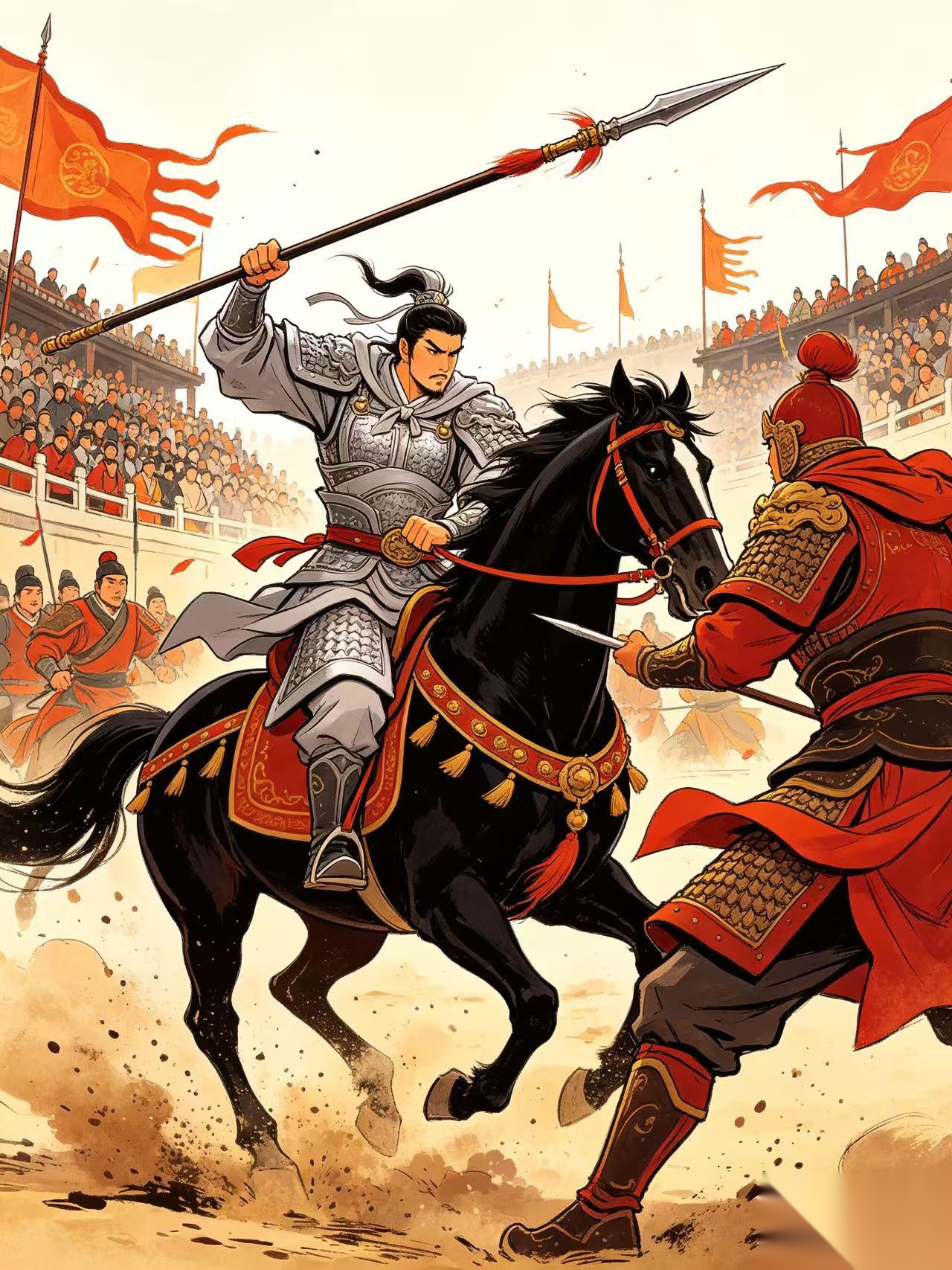
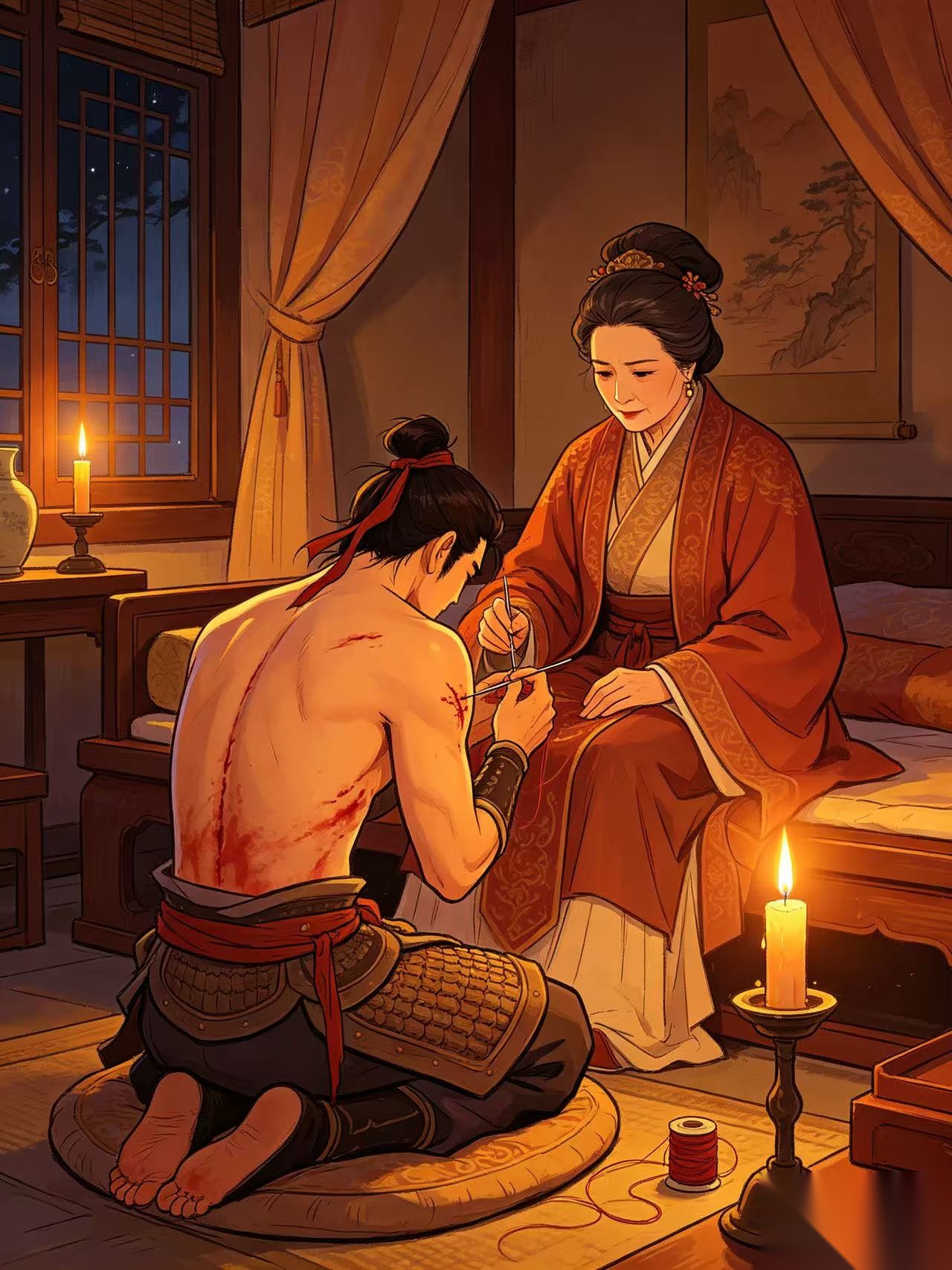
The authors, Qian Cai and Jin Feng, held that historical fiction should "make the real seem unreal, and the unreal seem real." Drawing on oral storytelling, opera, and legend, they wove brilliant episodes — "Spearing Little King Liang," "Yue Fei's Mother Tattoos Her Son," "Gao Chong Lifts the Rolling Cart," "Liang Hongyu Beats the Drum at Jinshan," "Wang Zuo Severs His Own Arm," and "Niu Gao Tears Up the Imperial Edict." As Jin Feng's preface says, the characterization highlights "Yue Fei's loyalty, Qin Hui's treachery, and Wuzhu's arrogance."
Yet the figure who leaves the deepest impression is Niu Gao — upright, simple-hearted, fierce and reckless, a Li Kui–style outlaw hero who always turns calamity into good fortune. This uniquely distinctive character is beloved by all.
Chapters (80)
Chapter 1 is now available; more chapters will be published as they are completed.
Illustrations